Hearing is one of our most vital senses, connecting us to the world through sound, communication, and environmental awareness. Yet hearing loss affects millions of people worldwide, with many cases going undiagnosed for years. At Trinity Health, we emphasise the critical importance of regular hearing assessments as part of your overall health maintenance.
Understanding the Value of Hearing
Our ability to hear shapes every aspect of our daily lives:
- Communication with loved ones
- Safety awareness in our environment
- Professional success and workplace interaction
- Social engagement and emotional wellbeing
- Cognitive function and brain health
- Quality of life and independence
The Hidden Nature of Hearing Loss
Hearing loss often develops gradually, making it difficult to notice:
- Most people wait 7-10 years before seeking help
- Early signs are often attributed to other factors
- The brain adapts by filling in gaps, masking the problem
- Family members often notice before the affected person
- Untreated hearing loss can lead to serious consequences
Types of Hearing Tests Available
Pure Tone Audiometry
The gold standard for hearing assessment:
- Tests your ability to hear different frequencies
- Determines the softest sounds you can hear
- Maps your unique hearing profile
- Takes about 20-30 minutes
- Painless and non-invasive
Speech Audiometry
Evaluates real-world hearing ability:
- Tests understanding of spoken words
- Assesses hearing in noise
- Determines speech discrimination scores
- Helps predict hearing aid success
Tympanometry
Examines middle ear function:
- Checks eardrum movement
- Detects fluid behind the eardrum
- Identifies ear infections
- Evaluates Eustachian tube function
Otoacoustic Emissions (OAE)
Measures inner ear health:
- Quick screening test
- Particularly useful for children
- Detects early damage
- No active participation required
Who Should Get Tested?
Newborns and Infants
- Universal newborn hearing screening
- Follow-up if risk factors present
- Critical for language development
- Early intervention is key
Children and Teenagers
- Before starting school
- Annual checks if risk factors exist
- After ear infections
- If speech development concerns arise
Adults (18-50 years)
- Baseline test by age 30
- Every 3-5 years without symptoms
- Annually if exposed to loud noise
- After head injuries or infections
Older Adults (50+ years)
- Annual hearing tests recommended
- More frequent if hearing changes noted
- Part of routine health maintenance
- Important for cognitive health
Warning Signs You Need a Test
Communication Difficulties
- Frequently asking people to repeat
- Difficulty hearing on the phone
- Trouble following conversations in groups
- Misunderstanding what people say
- Feeling like others are mumbling
Environmental Challenges
- Turning TV volume higher than others prefer
- Missing doorbell or phone rings
- Difficulty hearing in noisy places
- Struggling to locate sound sources
- Not hearing alarms or alerts
Physical Symptoms
- Ringing or buzzing in ears (tinnitus)
- Ear pain or discomfort
- Feeling of fullness in ears
- Dizziness or balance problems
- Discharge from ears
Social and Emotional Signs
- Withdrawing from social situations
- Avoiding phone conversations
- Feeling frustrated in conversations
- Experiencing listening fatigue
- Increased stress or anxiety
Risk Factors for Hearing Loss
Occupational Hazards
- Factory or construction work
- Mining or quarrying
- Music industry exposure
- Military service
- Agricultural machinery operation
Medical Conditions
- Diabetes
- High blood pressure
- Heart disease
- Kidney disease
- Thyroid disorders
Medications
Some medications can affect hearing:
- Certain antibiotics
- High-dose aspirin
- Some chemotherapy drugs
- Loop diuretics
- Antimalarial medications
Lifestyle Factors
- Smoking
- Excessive alcohol consumption
- Poor nutrition
- Lack of exercise
- Chronic stress
The Testing Process at Trinity Health
Before Your Appointment
- List current medications
- Note any ear-related symptoms
- Bring previous test results
- Prepare questions for the audiologist
- Avoid loud noise 24 hours prior
During the Test
What to expect:
- Medical history review
- Ear examination (otoscopy)
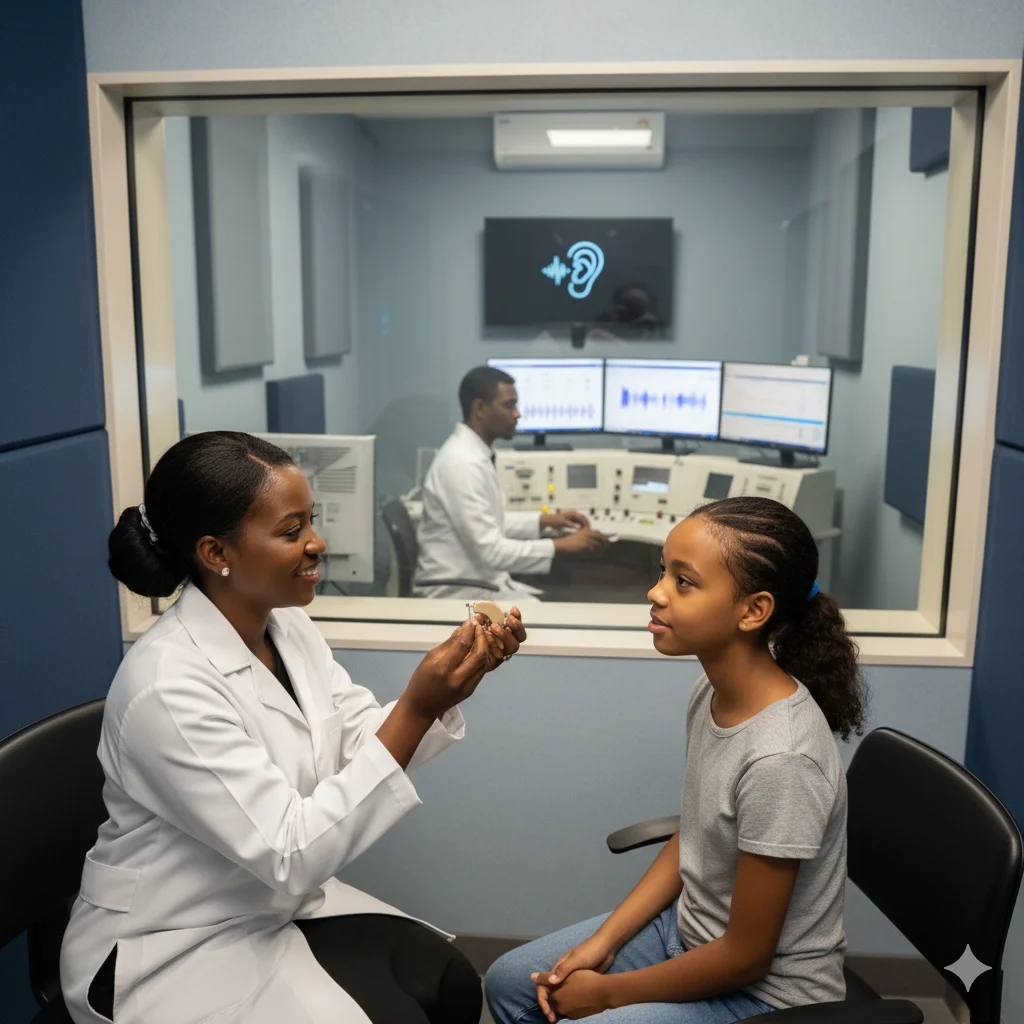
- Hearing test in sound booth
- Results explanation
- Recommendations discussion
After Testing
- Detailed report provided
- Treatment options explained
- Follow-up scheduled if needed
- Referrals made if necessary
- Support resources offered
Benefits of Early Detection
Health Benefits
- Prevents further deterioration
- Maintains brain stimulation
- Reduces cognitive decline risk
- Improves balance and safety
- Enhances overall health
Social Benefits
- Maintains relationships
- Improves communication
- Increases confidence
- Reduces isolation
- Enhances quality of life
Economic Benefits
- Maintains work productivity
- Reduces healthcare costs
- Prevents accidents
- Avoids emergency treatments
- Preserves independence
Treatment Options
Hearing Aids
Modern technology offers:
- Digital processing
- Bluetooth connectivity
- Rechargeable batteries
- Invisible designs
- Custom programming
Medical Interventions
When appropriate:
- Ear wax removal
- Infection treatment
- Surgery for certain conditions
- Medication adjustments
- Tinnitus management
Assistive Devices
Additional support through:
- TV listening systems
- Amplified phones
- Alerting devices
- Communication apps
- Loop systems
Rehabilitation Services
Comprehensive support:
- Auditory training
- Speech reading
- Communication strategies
- Counselling services
- Support groups
Protecting Your Hearing
Noise Protection
- Use ear protection in loud environments
- Follow 60/60 rule for headphones
- Take listening breaks
- Choose quieter alternatives
- Monitor exposure levels
Ear Care
- Never insert objects in ears
- Keep ears dry
- Manage allergies
- Treat infections promptly
- Regular professional cleaning
Healthy Habits
- Maintain good overall health
- Exercise regularly
- Eat a balanced diet
- Manage chronic conditions
- Avoid ototoxic substances
Special Considerations
For Parents
- Trust your instincts
- Monitor speech milestones
- Ensure school hearing checks
- Address concerns promptly
- Support recommended treatments
For Seniors
- Don’t accept hearing loss as normal ageing
- Consider cognitive health connection
- Involve family in appointments
- Explore all options
- Stay socially engaged
For Workers
- Know your rights to protection
- Report workplace hazards
- Use provided safety equipment
- Get regular occupational tests
- Document exposure history
The Cost of Untreated Hearing Loss
Personal Impact
- Reduced earning potential
- Relationship strain
- Safety risks
- Cognitive decline
- Depression and anxiety
Societal Impact
- Healthcare system burden
- Lost productivity
- Increased accidents
- Family stress
- Social isolation
Hearing Health Myths Debunked
Myth: Only elderly people have hearing loss
Truth: Hearing loss affects all agesMyth: Hearing aids make you look old
Truth: Modern devices are nearly invisibleMyth: Hearing loss is not serious
Truth: It significantly impacts health and wellbeingMyth: Nothing can be done about hearing loss
Truth: Many effective treatments exist
Making Hearing Tests a Priority
Schedule Regular Tests
- Mark your calendar annually
- Combine with other health checks
- Bring family members
- Track changes over time
- Keep records organised
Advocate for Your Hearing
- Don’t ignore symptoms
- Ask for accommodations
- Educate others
- Share your experience
- Promote awareness
Trinity Health’s Commitment
Our audiology department offers:
- State-of-the-art testing equipment
- Experienced audiologists
- Comprehensive evaluations
- Personalised treatment plans
- Ongoing support services
- Community education programmes
Take Action Today
Your hearing connects you to life’s precious moments – conversations with grandchildren, music that moves you, the sounds of nature, and important safety signals. Don’t let hearing loss diminish your world.
Schedule your hearing test at Trinity Health today. Early detection and treatment can preserve your hearing and maintain your quality of life for years to come. Remember, hearing tests are quick, painless, and could change your life.
Contact our audiology department to book your comprehensive hearing evaluation. Your ears – and your loved ones – will thank you.