Childhood illnesses are a significant concern for parents across Zambia, where access to healthcare can be challenging and prevention is often more feasible than treatment. At Trinity Health, we believe that empowering parents with knowledge about preventing common childhood diseases can dramatically improve children’s health outcomes and reduce the burden on families and healthcare systems.
Understanding Childhood Vulnerability
Children are particularly susceptible to illnesses due to:
- Developing immune systems
- Close contact in schools and playgrounds
- Exploration behaviors that increase exposure
- Inability to maintain hygiene independently
- Nutritional vulnerabilities
- Environmental factors
Most Common Childhood Illnesses in Zambia
Respiratory Infections
Pneumonia and bronchitis remain leading causes of childhood illness:
- Often starts as common cold
- Can progress rapidly in young children
- Preventable through good hygiene
- Vaccination available for some types
Diarrhoeal Diseases
A major health challenge, especially during rainy season:
- Often caused by contaminated water
- Can lead to severe dehydration
- Preventable through proper sanitation
- Oral rehydration therapy saves lives
Malaria
Endemic in many parts of Zambia:
- Transmitted by mosquitoes
- Can be severe in young children
- Prevention is highly effective
- Early treatment crucial
Malnutrition
Underlying factor in many childhood illnesses:
- Weakens immune system
- Delays recovery from illness
- Affects physical and mental development
- Often preventable with proper knowledge
Measles
Despite vaccination programmes:
- Still occurs in unvaccinated children
- Highly contagious
- Can cause serious complications
- Completely preventable through vaccination
Prevention Strategies That Work
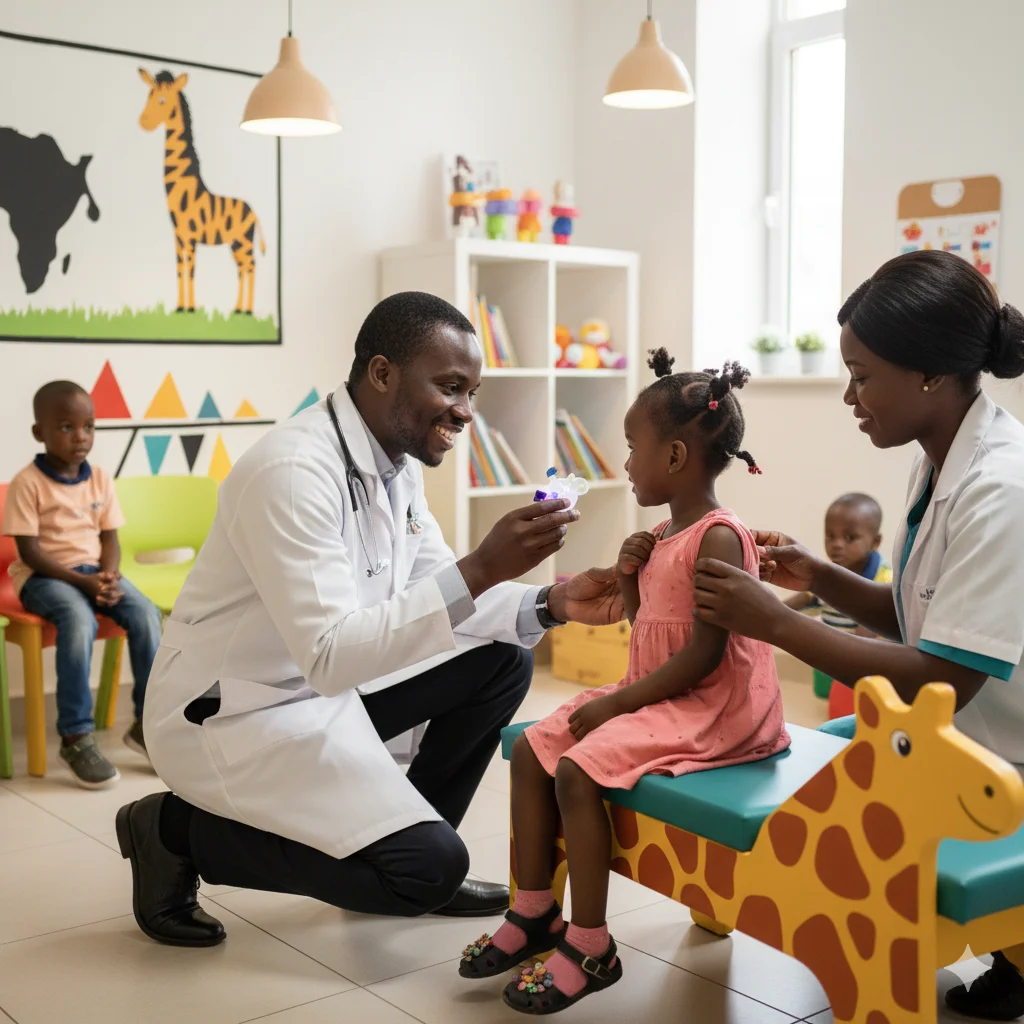
Vaccination: Your First Line of Defence
Essential Vaccines for Zambian Children:
- BCG (tuberculosis) – at birth
- Polio – multiple doses from birth
- DPT (diphtheria, pertussis, tetanus) – starting at 6 weeks
- Measles – at 9 months and 18 months
- Hepatitis B – starting at birth
- Rotavirus – protects against severe diarrhoea
- Pneumococcal – prevents pneumonia
Making Vaccination Accessible:
- Free at government clinics
- Keep vaccination card safe
- Follow schedule strictly
- Don’t skip doses
- Ask about catch-up schedules if delayed
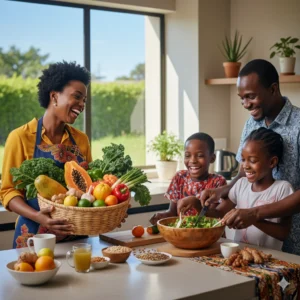
Nutrition: Building Strong Bodies
Breastfeeding Benefits:
- Exclusive breastfeeding for 6 months
- Provides antibodies
- Perfect nutrition
- Reduces infection risk
- Free and always available
After 6 Months:
- Continue breastfeeding while adding foods
- Introduce variety gradually
- Include local nutritious foods:
– Groundnut powder
– Kapenta (small fish)
– Sweet potatoes
– Leafy vegetables
– Beans and lentils
– Seasonal fruitsPreventing Malnutrition:
- Regular weight monitoring
- Diverse diet
- Adequate portions
- Clean food preparation
- Treat illnesses promptly
Hygiene: Simple but Powerful
Hand Washing Critical Times:
- Before eating or feeding children
- After using toilet
- After changing nappies
- After handling animals
- When arriving home
- After blowing nose or coughing
Proper Technique:
- Use soap and clean water
- Scrub for 20 seconds
- Clean between fingers
- Don’t forget thumbs
- Dry with clean cloth
When Water is Scarce:
- Use ash if soap unavailable
- Alcohol-based sanitiser alternative
- Tippy-tap saves water
- Teach children early
Safe Water and Sanitation
Water Treatment Methods:
- Boiling for 1 minute
- Water purification tablets
- Solar disinfection (SODIS)
- Proper storage in clean containers
- Cover water containers
Sanitation Practices:
- Use latrines properly
- Keep latrines clean
- Dispose of children’s faeces safely
- Wash hands after latrine use
- Keep environment clean
Environmental Protection
Mosquito Prevention:
- Sleep under treated nets
- Repair holes in nets
- Clear standing water
- Cover water containers
- Wear long clothes at dusk
- Use repellents when available
Indoor Air Quality:
- Ventilate cooking areas
- Cook outside when possible
- Avoid indoor fires
- Keep dust levels down
- No smoking near children
Disease-Specific Prevention
Preventing Respiratory Infections:
- Avoid crowded places during outbreaks
- Cover coughs and sneezes
- Ventilate living spaces
- Keep children warm but not overheated
- Treat colds before they worsen
- Exclusive breastfeeding for 6 months
Preventing Diarrhoea:
- Safe water practices
- Proper food hygiene
- Handwashing with soap
- Proper latrine use
- Fly control
- Rotavirus vaccination
Preventing Malaria:
- Insecticide-treated nets (ITNs)
- Indoor residual spraying
- Prompt testing and treatment
- Environmental management
- Protective clothing
- Prevention during pregnancy
Preventing Measles:
- Vaccination at 9 and 18 months
- Avoid contact with infected persons
- Vitamin A supplementation
- Good nutrition
- Isolation of sick children
Early Warning Signs
When to Seek Immediate Care:
- Difficulty breathing or fast breathing
- Unable to drink or breastfeed
- Vomiting everything
- Convulsions or fits
- Unusually sleepy or unconscious
- High fever in infant under 3 months
- Blood in stool
- Severe dehydration signs
Dehydration Signs:
- Sunken eyes
- Dry mouth and tongue
- No tears when crying
- Skin pinch goes back slowly
- Decreased urination
- Lethargy
Malnutrition Signs:
- Weight loss or no weight gain
- Swelling of feet or face
- Hair colour changes
- Skin problems
- Frequent infections
- Developmental delays
Home Management Tips
For Fever:
- Remove excess clothing
- Give plenty of fluids
- Tepid sponging
- Paracetamol as directed
- Monitor closely
- Seek care if persistent
For Diarrhoea:
- Continue breastfeeding
- Give ORS solution
- Zinc supplementation
- Continue feeding
- Monitor hydration
- Seek care if blood present
For Cough and Cold:
- Increase fluids
- Continue feeding
- Clear nose gently
- Elevate head when sleeping
- Avoid smoke exposure
- Monitor for danger signs
School Health
Preparing for School:
- Complete vaccinations
- Teach hygiene habits
- Pack healthy snacks
- Ensure adequate sleep
- Regular health checks
- Communicate with teachers
Preventing School Infections:
- Don’t send sick children
- Teach covering coughs
- Provide handkerchief
- Regular deworming
- Check for head lice
- Nutritious breakfast
Seasonal Considerations
Rainy Season (November-April):
- Increased malaria risk
- More diarrhoeal diseases
- Respiratory infections
- Ensure clean water
- Maintain dry bedding
- Extra mosquito vigilance
Cold Season (May-July):
- Respiratory infections peak
- Keep children warm
- Maintain ventilation
- Increase vitamin C
- Monitor vulnerable children
Hot Season (August-October):
- Dehydration risk
- Food spoilage faster
- Increase water intake
- Proper food storage
- Avoid peak sun hours
Community Prevention
Working Together:
- Share health information
- Support vaccination campaigns
- Community clean-up days
- Report disease outbreaks
- Help vulnerable families
- Traditional-modern medicine collaboration
School Programmes:
- Health education
- Handwashing stations
- Deworming campaigns
- Nutrition programmes
- First aid training
- Parent involvement
Special Considerations
For Infants (0-12 months):
- Exclusive breastfeeding crucial
- Timely vaccination
- Growth monitoring
- Safe sleeping practices
- Avoid exposure to sick people
- Regular check-ups
For Toddlers (1-3 years):
- Continued breastfeeding
- Diverse diet introduction
- Accident prevention
- Social interaction safely
- Developmental monitoring
- Dental hygiene start
For School-Age (4+ years):
- Regular deworming
- Vision and hearing checks
- Nutrition education
- Hygiene independence
- Physical activity
- Mental health awareness
Traditional and Modern Approaches
Beneficial Traditional Practices:
- Prolonged breastfeeding
- Use of certain medicinal plants
- Community support systems
- Isolation of sick individuals
- Dietary restrictions during illness
Practices to Modify:
- Delaying medical care
- Some harmful traditional remedies
- Misconceptions about vaccination
- Inappropriate dietary restrictions
- Delayed care-seeking
Building Resilience
Physical Resilience:
- Good nutrition foundation
- Regular exercise
- Adequate sleep
- Stress management
- Preventive care
Family Resilience:
- Health education
- Emergency preparedness
- Financial planning for health
- Support networks
- Communication skills
The Role of Fathers
Fathers play crucial roles:
- Support breastfeeding mothers
- Participate in child care
- Ensure vaccination compliance
- Provide resources for health
- Model healthy behaviours
- Seek care when needed
Economic Impact of Prevention
Savings from Prevention:
- Reduced medical costs
- Less work/school absence
- Avoided long-term complications
- Reduced transport costs
- Prevented disability
Investment in Health:
- Mosquito nets
- Water treatment
- Nutritious food
- Vaccinations
- Regular check-ups
Creating Healthy Environments
At Home:
- Clean living spaces
- Safe water storage
- Proper waste disposal
- Good ventilation
- Child-proofing
- Smoke-free environment
In Community:
- Clean public spaces
- Safe play areas
- Water points maintenance
- Latrine availability
- Health education centres
- Emergency response systems
Technology and Prevention
Useful Tools:
- Health information apps
- Vaccination reminders
- Telemedicine services
- Health education videos
- SMS health tips
- Online support groups
Government and NGO Resources
Available Services:
- Free vaccinations
- Nutrition programmes
- Vitamin A supplementation
- Deworming campaigns
- Health education
- Emergency care
How to Access:
- Visit local clinics
- Community health workers
- Mobile clinics
- School programmes
- Church health programmes
- NGO initiatives
Long-term Benefits
Individual Benefits:
- Better school performance
- Improved growth
- Stronger immunity
- Reduced hospitalisations
- Better quality of life
- Future health advantages
Community Benefits:
- Reduced disease transmission
- Lower healthcare costs
- Improved productivity
- Stronger communities
- Better development outcomes
- Healthier future generation
Taking Action
Start Today:
- Review vaccination cards
- Improve hand washing
- Ensure safe water
- Plan nutritious meals
- Create healthy routines
- Educate family members
Regular Actions:
- Monthly growth monitoring
- Seasonal prevention measures
- Annual health checks
- Continuous education
- Community participation
- Emergency preparedness
Trinity Health Support
We offer comprehensive child health services:
- Well-child clinics
- Vaccination programmes
- Nutrition counselling
- Growth monitoring
- Parent education
- Treatment services
Conclusion
Preventing childhood illnesses requires consistent effort but yields tremendous rewards. Every prevented illness means a child continues learning, playing, and growing without interruption. It means families avoid the emotional and financial stress of sick children. Most importantly, it builds a foundation for lifelong health.
At Trinity Health, we partner with parents to ensure every child has the opportunity to thrive. Through combining modern medicine with practical prevention strategies adapted to Zambian contexts, we can dramatically reduce the burden of childhood illnesses.
Remember: An ounce of prevention is worth a pound of cure. The steps you take today to prevent illness will benefit your children throughout their lives. Start with one change, build healthy habits, and watch your children flourish.
Contact Trinity Health today for childhood vaccination schedules, nutrition counselling, or any concerns about your child’s health. Together, we can ensure a healthier future for Zambian children.